You can view this content for free after you Log In or Sign Up.
Development Update #1
Time for our first proper development update.
The current build of Missing Tomorrow contains roughly 30 minutes of playable content, covering the opening section of the game and introducing several of the main characters.
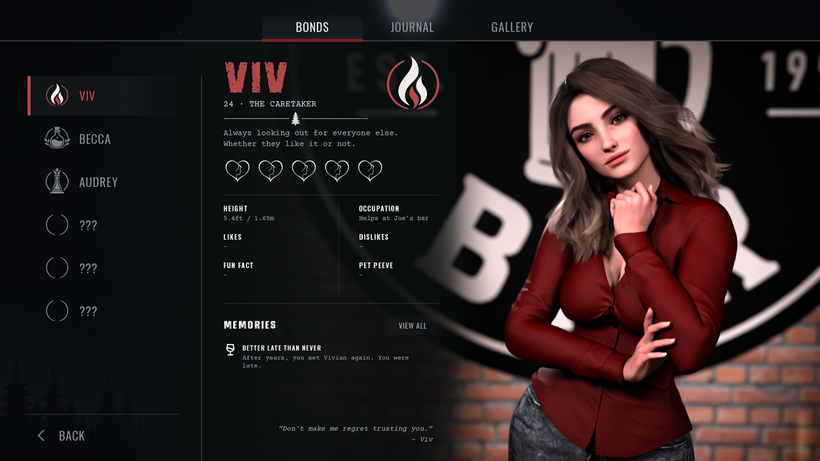
At this point, the core scene pipeline is working well, so our current focus has shifted toward UI/UX and presentation.Relationship screen
That includes:
Main menu
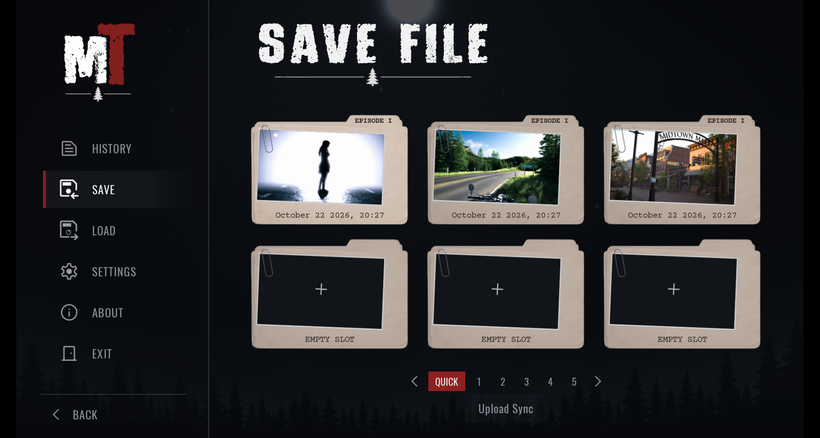
Save / Load screens
Settings
In-game menus
UI sounds and feedback
Relationship systems
Notifications
General visual consistency
While many of these elements do not add more minutes to the game, it's important to us that the first external build feels like a cohesive piece of work.Save screen
We've also been polishing the opening scenes based on our own playthroughs, particularly pacing, sound design, and moments where the story needed a little more room to breathe.
What's next?
The next major milestone is our first closed playtest.
We're planning to start small with around 10–20 external testers and focus on:
First impressions
Story pacing
Character chemistry
Mystery and intrigue
UI / UX
Once the build is ready and we've finished setting up the surrounding infrastructure (like this article i am currently writing), we'll start looking for testers.
You can view this content for free after you Log In or Sign Up.
Behind the Scenes: From DAZ to Ren'Py
One of the things we want to share here is how Missing Tomorrow actually comes together.
Our current main pipeline is fairly simple:
DAZ3D → Photoshop → Ren'Py
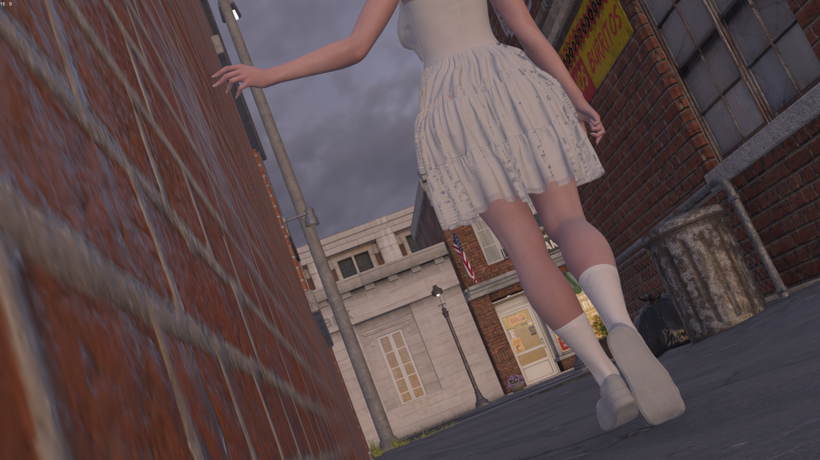
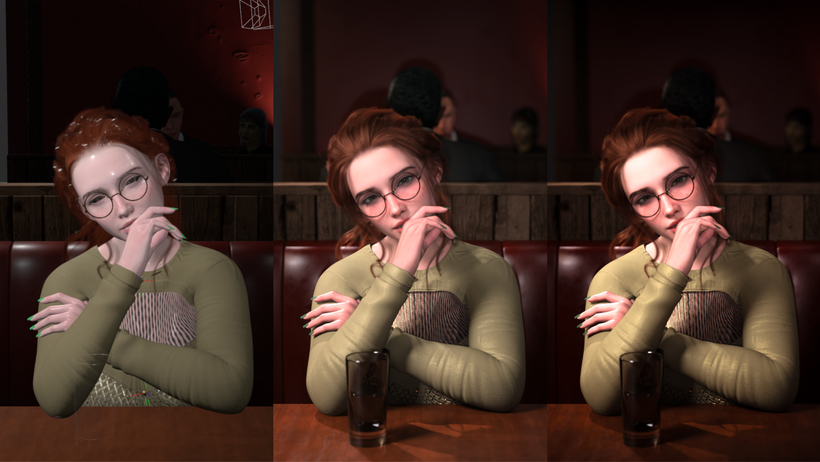
Most scenes start in DAZ, where we build the shot, pose the characters, set the camera, lighting, and environment, and render the final image.DAZ3D Viewport
DAZ3D Render
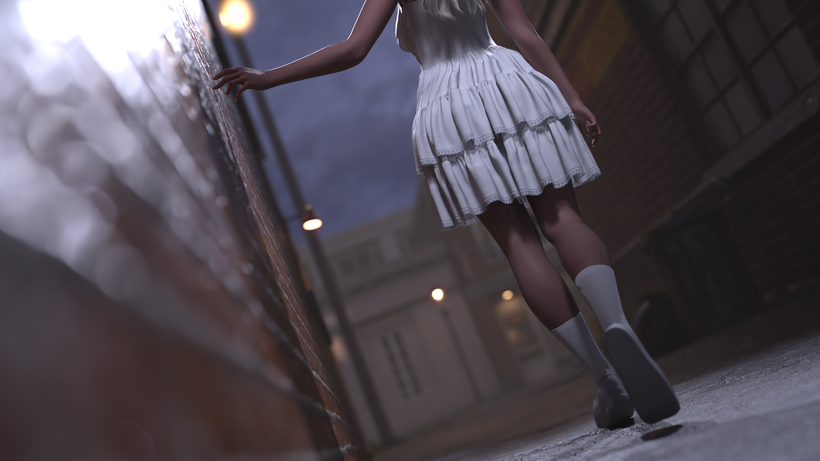
From there, the renders go into Photoshop for final adjustments: mostly color, contrast, atmosphere, and consistency between shots.Final Image
Once the images are ready, everything moves into Ren'Py, where dialogue, music, sound effects, transitions, UI, and the actual scene flow come together.
A scene that lasts only a few minutes can easily consist of dozens of individual renders, sound cues, and small timing decisions.
Some of those details are barely noticeable on their own, but together they make a huge difference to how a scene feels.
That's also one of the parts we enjoy most: taking a collection of static images and slowly turning it into something that feels alive.
We'll share more detailed looks at individual parts of the process in future posts, including lighting, character design, UI, and some of the things that didn't quite work the first time.
SubscribeStar and its trusted third parties collect browsing information as specified in the Privacy Policy and use cookies or similar technologies for analysis and technical purposes and, with your consent, for functionality, experience, and measurement as specified in the Cookies Policy.


 Log in