Please confirm you are at least 18 years old of age. Otherwise leave the website.
Sign up
Log in
Oct 22, 2026 09:19 pm
Public post
This content was created for artistic and entertainment purposes FOR ADULTS ONLY and may include pictures and materials that some viewers may find offensive. If you are under the age of 18, if such material offends you or if it is illegal to view such material in your community please exit the page IMMEDIATELY. All depicted characters are fictional. No live victims were produced during this content creation and no harm was imposed upon any live creature. All characters depicted in sexual situations are 18 years of age or older and of the age of consent, even if it looks otherwise. Acts depicted are all consensual.
18
You can view this content for free after you Log In or Sign Up.
Behind the Scenes: From DAZ to Ren'Py
One of the things we want to share here is how Missing Tomorrow actually comes together.
Our current main pipeline is fairly simple:
DAZ3D → Photoshop → Ren'Py
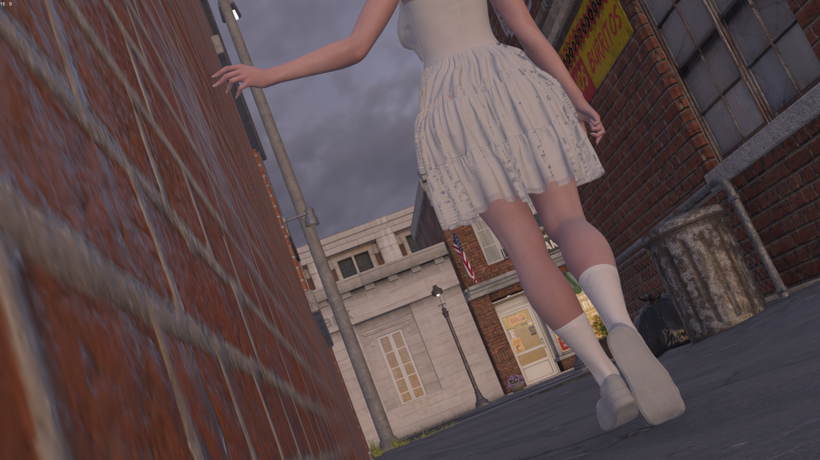
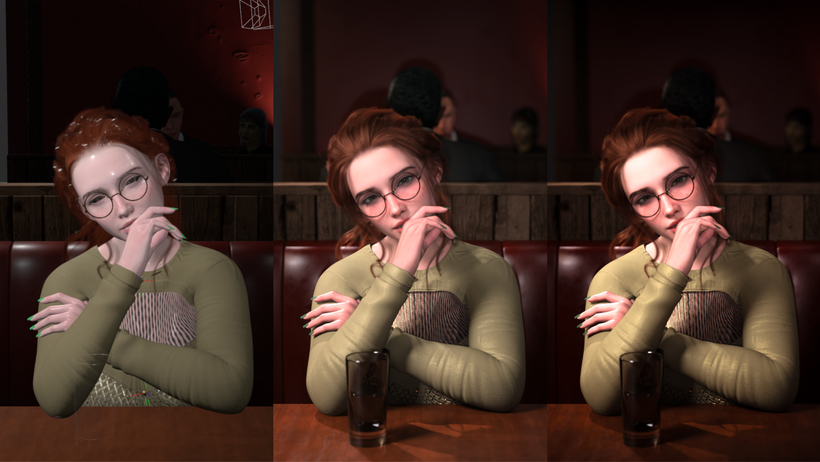
Most scenes start in DAZ, where we build the shot, pose the characters, set the camera, lighting, and environment, and render the final image.DAZ3D Viewport
DAZ3D Render
From there, the renders go into Photoshop for final adjustments: mostly color, contrast, atmosphere, and consistency between shots.Final Image
Once the images are ready, everything moves into Ren'Py, where dialogue, music, sound effects, transitions, UI, and the actual scene flow come together.
A scene that lasts only a few minutes can easily consist of dozens of individual renders, sound cues, and small timing decisions.
Some of those details are barely noticeable on their own, but together they make a huge difference to how a scene feels.
That's also one of the parts we enjoy most: taking a collection of static images and slowly turning it into something that feels alive.
We'll share more detailed looks at individual parts of the process in future posts, including lighting, character design, UI, and some of the things that didn't quite work the first time.
SubscribeStar and its trusted third parties collect browsing information as specified in the Privacy Policy and use cookies or similar technologies for analysis and technical purposes and, with your consent, for functionality, experience, and measurement as specified in the Cookies Policy.


 Log in