

 Log in

The Childhood That Was Taken Chapter V.
The Years of Shame
I turned fourteen in the year communism ended in Hungary.
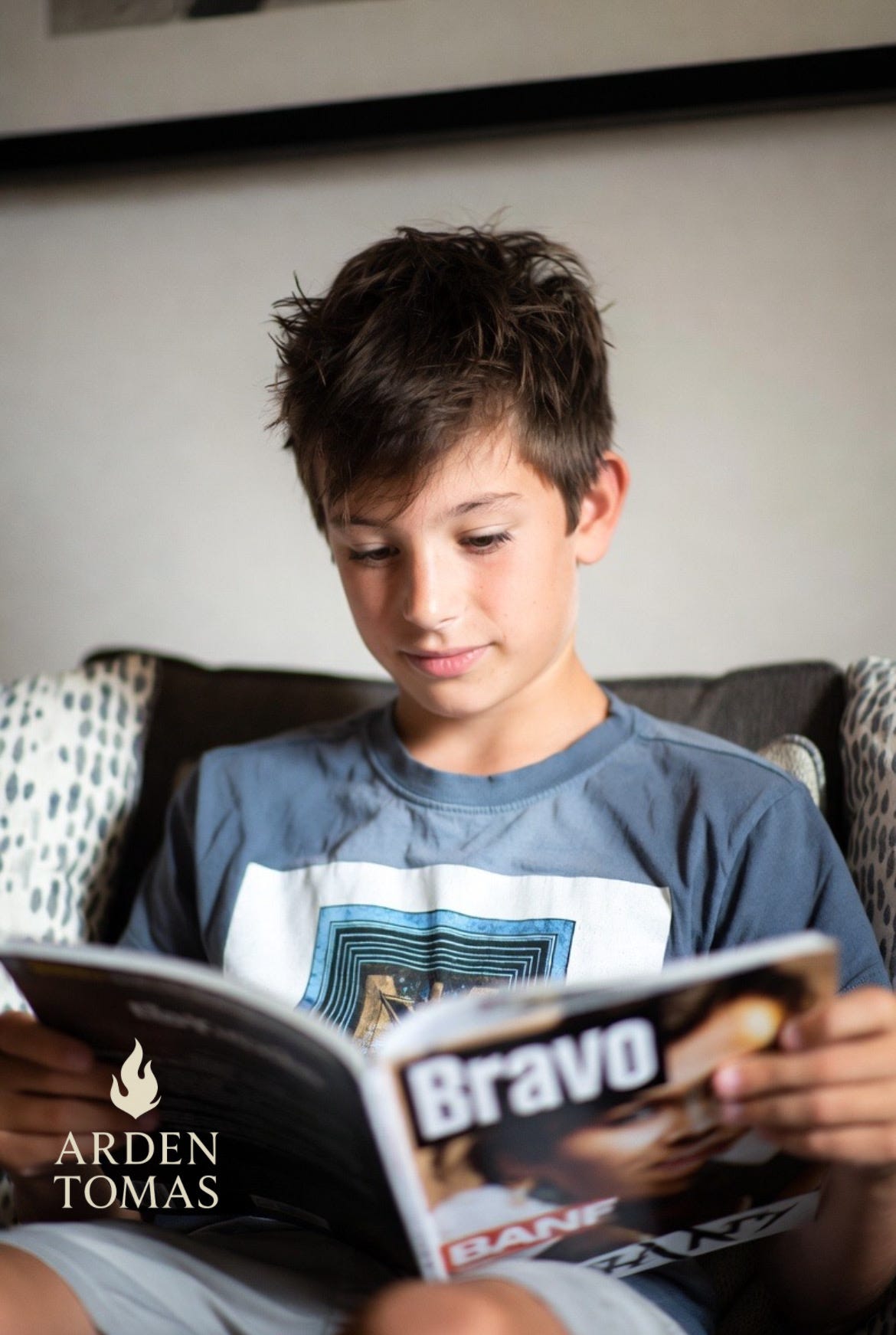
People on the streets wiped away tears of joy, politicians on TV promised freedom, and suddenly you could buy Bravo and Popcorn magazines at the newsstands. Western music played on the radio — C.C. Catch, Modern Talking, Sandra — and I stood for hours by the tape recorder, pressing record on blank cassettes to capture every song. Those melodies were my only real escape: sweet, glittering, far away from everything waiting for me at home.
At home, nothing changed.
Uncle Zoli remained the same: loud, commanding, cruel. The regime change never reached our apartment; his laws still ruled. “As long as you eat my bread, you do what I say” — he repeated this every time I dared talk back. I had grown bolder as a teenager and no longer took everything silently, but I paid for every word. Shouting, punishment, extra work in the garden. If I went out with friends in the evening to the movies or just to hang out, he woke me at five the next morning: “If you’re a man at night, you’re a man in the daytime too.” Then he forced me to haul manure to the garden or clean the pigsty — stinking, back-breaking, humiliating jobs that hurt my body and my soul.
At the vocational high school where I studied commerce, I was an average student even though I had the brains for better. Maybe that was my rebellion: bad grades, skipped classes, cigarettes behind the school. Maybe that was my silent scream to my mother, who by then only cared about my little sisters — they were the perfect ones, hers and Uncle Zoli’s. I remained the old burden in the corner.
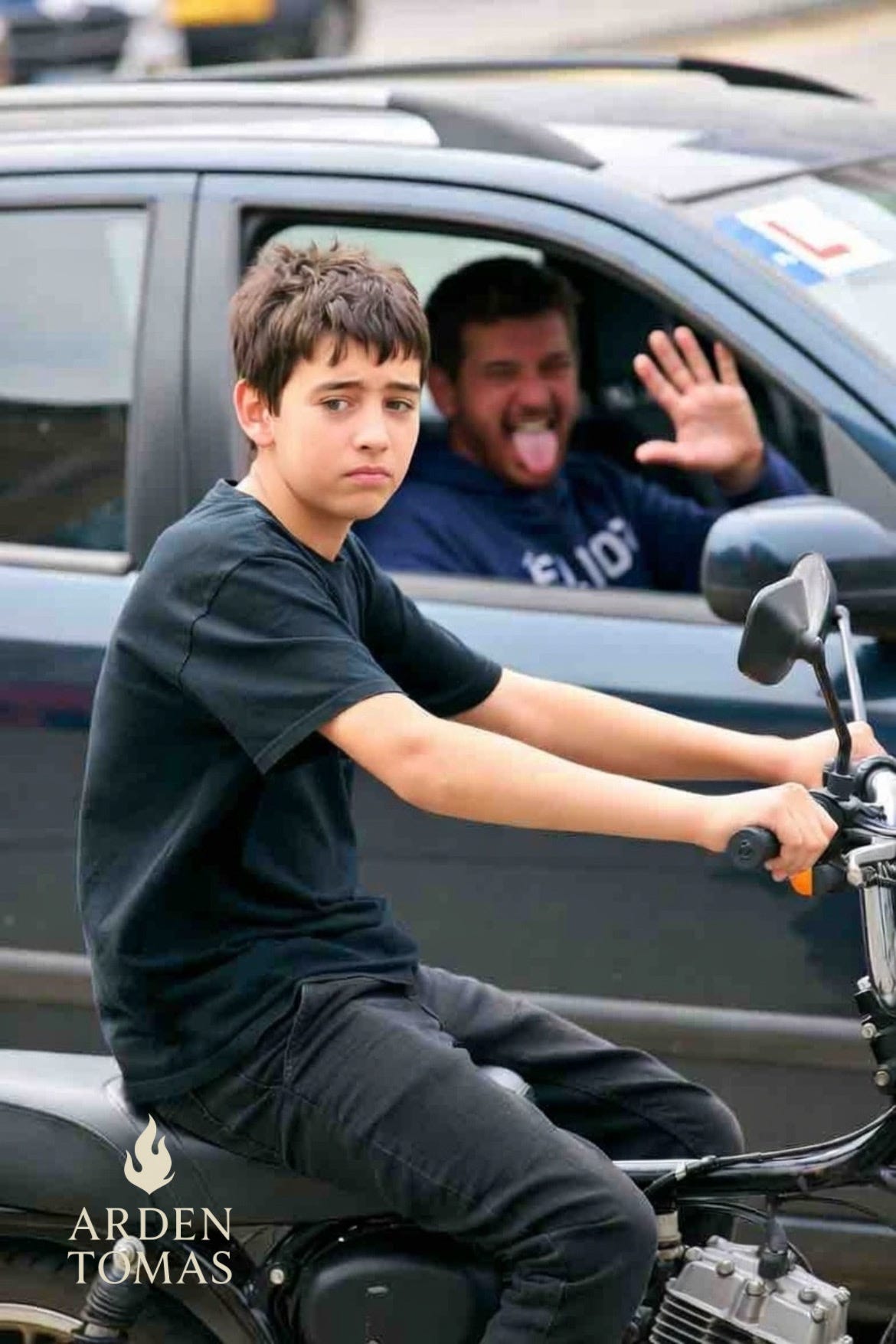
Most of my friends went to driving school, excitedly telling stories about lessons and preparing for their licenses. I wasn’t allowed. Uncle Zoli only let me take the moped course — it was shorter, cheaper, and “it’s cherry season, we need you in the garden.” That hurt especially. I stood beside the others, smiling as I listened to their stories, but inside the humiliation burned: I was the one who didn’t deserve the “real” license, the one who only got the moped, like a child.
But the worst part was not the garden, not the punishments, not the bad grades, and not even the moped.
The worst was the secret growing inside me, the one that became harder and harder to suppress.
Every night, when I was finally alone in my room, exploring my body was the only thing that still belonged entirely to me. Under the blanket, in complete silence, my hand found its way. I tried to think about girls — the ones on the covers of Bravo, the classmates at school — but it didn’t work. No matter how hard I forced it, the image always shifted: a strong naked male body appeared before me, muscular shoulders, hairy chest, thick thighs, hard cock. I saw him clearly, as if he were standing in the room — and it was always he who took me, powerfully, decisively, claiming me.
At first I only touched the surface, but then I grew bolder: I slowly, timidly slid my fingers behind me, testing what it felt like to enter a little. It was good. Very good. A deep, new kind of throbbing that carried me quickly to the peak — stronger, longer orgasms than ever before. My body arched, my breath stopped, and for a moment all the weight disappeared.
Then the shame always came.
Hot, suffocating, self-devouring shame. How could I be like this? Why me? What if someone found out? Among my friends I laughed the loudest when someone threw around slurs, when they said fags and pedophiles should be wiped out or tortured. I laughed louder than anyone so no one would suspect. Uncle Zoli always spat contemptuously whenever “people like that” came up on TV. I was terrified he would one day look at me and see it. Terrified someone else would see it.
Only at night, alone in the dark, did the feeling dare to surface.
Only then, for a few moments, before shame buried it again.
By the time I turned eighteen, I already knew this secret would not go away.
I only buried it deeper and waited for the day I might be strong enough to face it.
In the spring I still managed to graduate — not brilliantly, but I had the diploma in my hand. For a moment the summer felt carefree: hanging out with friends, music blasting from the tape player, no longer having to spend every minute in the garden. It seemed the worst might finally be over.
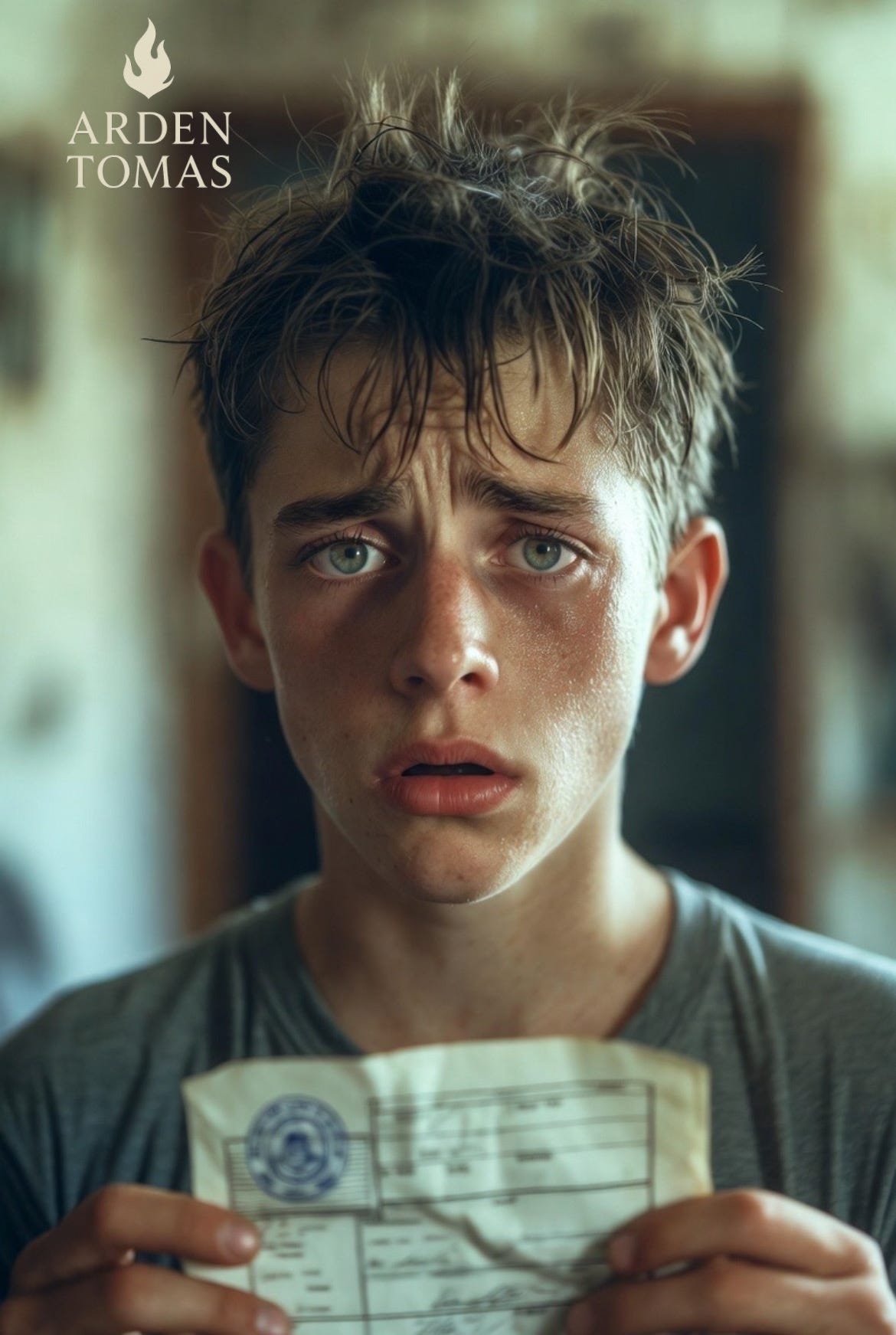
But in August the draft notice arrived.
Compulsory military service.
When I opened the envelope, my hands started shaking. I was afraid. Very afraid.
Not just of the harsh training, the orders, the strange place.
But of having to live day after day in a closed world full of men, carrying my secret with me. That someone would notice. That someone would see it on me.
The summer ended abruptly.
And I knew: the years of shame were far from over.